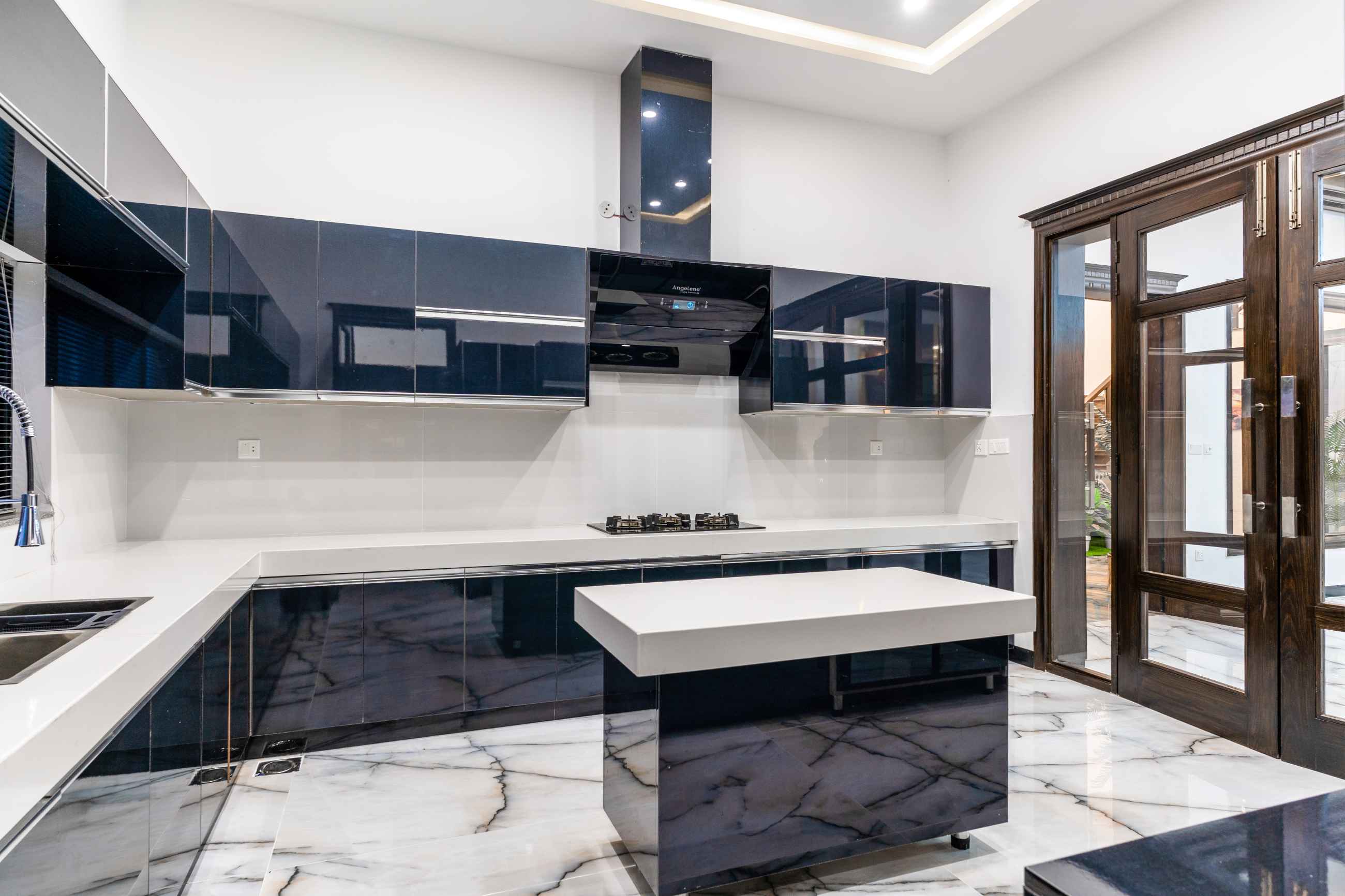
Kitchen Tiling
Kitchen tiling is a crucial aspect of interior design and functionality in homes and commercial spaces alike. It not only enhances the aesthetic appeal of the kitchen but also plays a significant role in maintaining cleanliness and hygiene. The choice of tiles can dramatically influence the overall look and feel of the kitchen, whether aiming for a modern, sleek appearance or a more rustic, traditional charm.
When considering kitchen tiling, durability and practicality are key considerations. Tiles need to withstand frequent cleaning, spills, and high foot traffic typical in kitchen environments. Materials such as ceramic, porcelain, and natural stone are popular choices due to their resilience and ease of maintenance. Additionally, these materials offer a wide range of colors, textures, and patterns to suit various design preferences and themes.
Beyond aesthetics, the layout and design of the tiles can also impact the functionality of the kitchen. Large format tiles can create a sense of spaciousness and continuity, while mosaic tiles or intricate patterns can add visual interest and define specific areas like backsplashes or feature walls. Grout color and type are equally important as they not only secure the tiles but also contribute to the overall look; darker grouts can provide contrast and minimize the appearance of dirt over time.
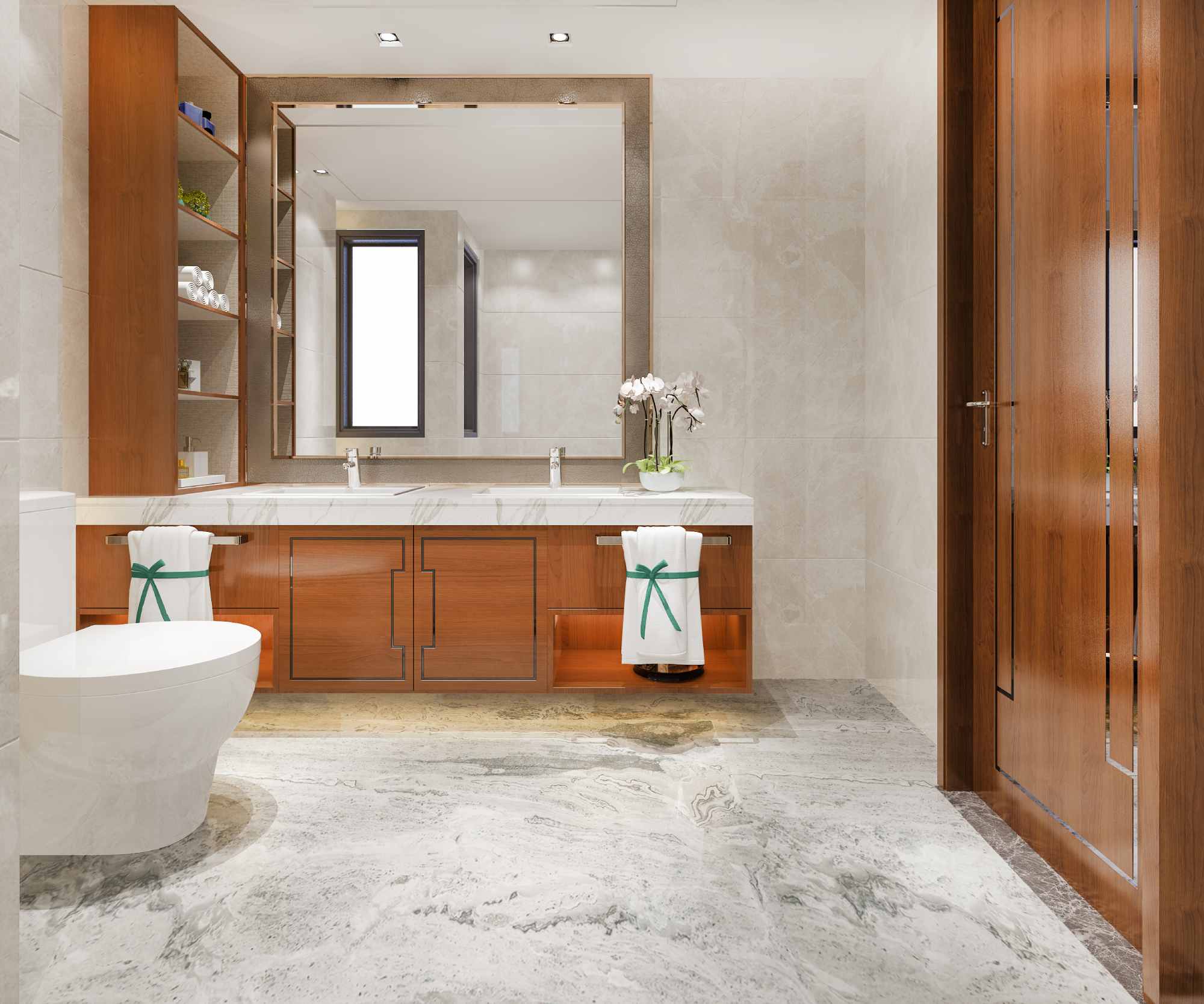
Bathroom Tiling
Bathroom tiling is a pivotal element in the design and functionality of any bathroom space, offering both aesthetic appeal and practical benefits. Choosing the right tiles can significantly enhance the overall look and feel of the bathroom while ensuring durability and ease of maintenance.
The selection of tiles for bathroom walls and floors is influenced by factors such as moisture resistance, slip resistance, and aesthetic preferences. Materials like ceramic, porcelain, and natural stone are popular choices due to their ability to withstand humid environments and frequent cleaning. These materials also come in various colors, textures, and finishes, allowing for customization to suit different styles, from sleek and modern to warm and traditional.
In terms of design, the layout and pattern of bathroom tiles can create visual interest and define different areas within the space. Large format tiles can make a small bathroom appear more spacious, while mosaic tiles can add a decorative touch to shower niches or accent walls. The choice of grout color and type is equally important, influencing both the aesthetic impact and ease of maintenance of the tiled surfaces.
Professional installation of bathroom tiles is essential to ensure proper waterproofing and alignment, preventing issues such as leaks and mold growth. Experienced tilers can offer advice on tile selection, layout options, and installation techniques that best suit the specific requirements and style preferences of the bathroom. This expertise ensures a cohesive and functional design that enhances the overall value and enjoyment of the bathroom space.
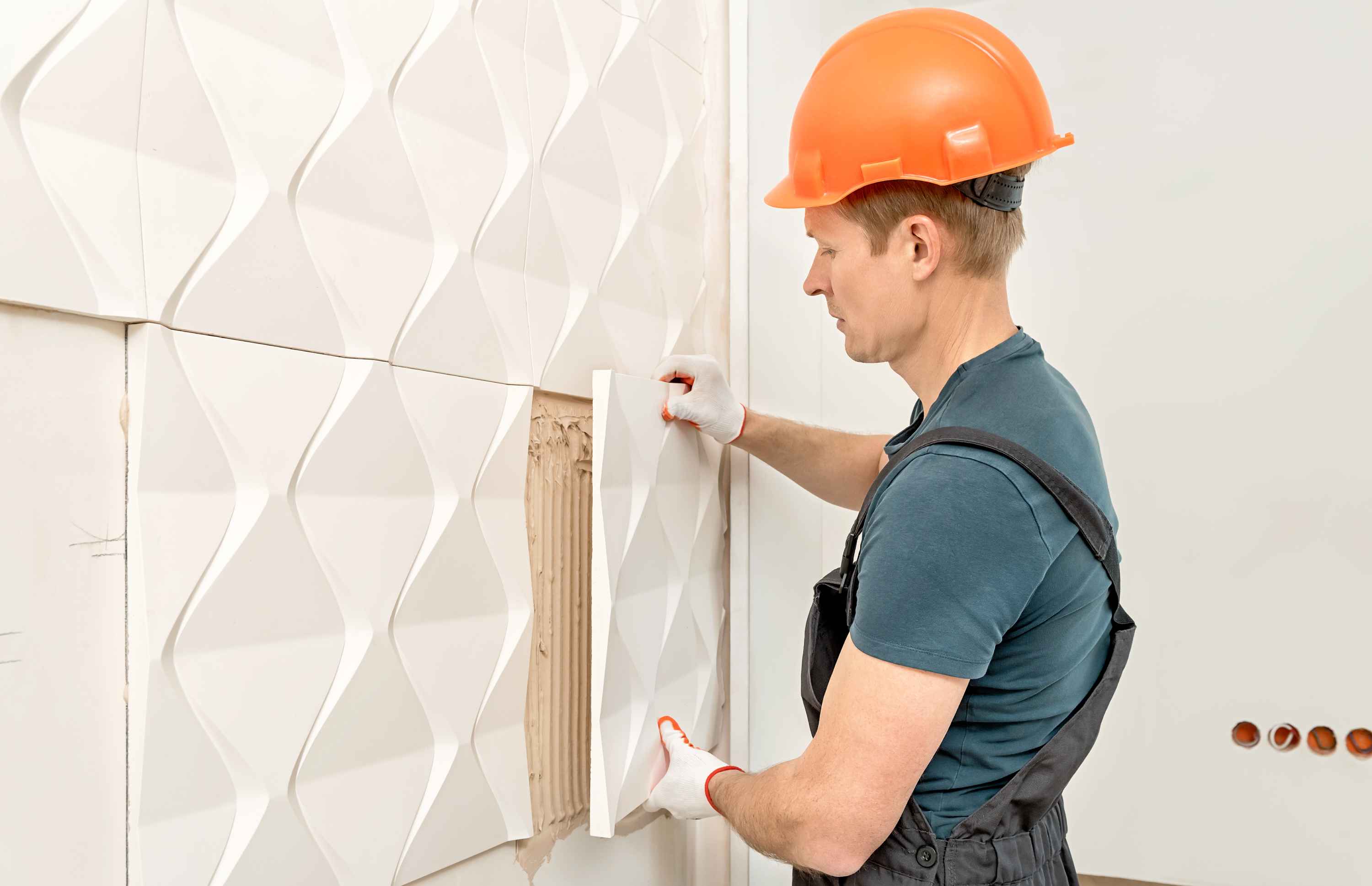
Wall Tiling
Wall tiling serves as a fundamental element in both residential and commercial spaces, offering not only decorative appeal but also practical benefits in terms of durability and ease of maintenance. Whether used in kitchens, bathrooms, living areas, or commercial settings, wall tiles play a crucial role in enhancing the aesthetics and functionality of interior spaces.
The choice of wall tiles depends on several factors, including the desired style, the function of the space, and practical considerations such as moisture resistance and cleaning requirements. Ceramic, porcelain, glass, and natural stone tiles are popular options due to their durability and versatility in design. These materials come in an extensive range of colors, textures, sizes, and finishes, allowing for endless possibilities in terms of creating unique and personalized interior environments.
In terms of design, wall tiles can serve multiple purposes beyond mere decoration. They can visually define spaces, such as creating a focal point with a feature wall or backsplash, or seamlessly blending into the background to enhance a minimalist aesthetic. The layout and pattern of tiles can also influence the perceived size and ambiance of a room; for instance, vertical tile placement can elongate walls, while intricate patterns can add depth and visual interest.
Proper installation of wall tiles is critical to achieving a flawless finish that not only enhances the aesthetic appeal but also ensures longevity and functionality. Professional tilers are skilled in techniques such as tile cutting, spacing, and grouting, as well as ensuring proper adhesion and waterproofing where necessary. This expertise is essential for preventing issues such as tile displacement, water infiltration, and grout discoloration over time.
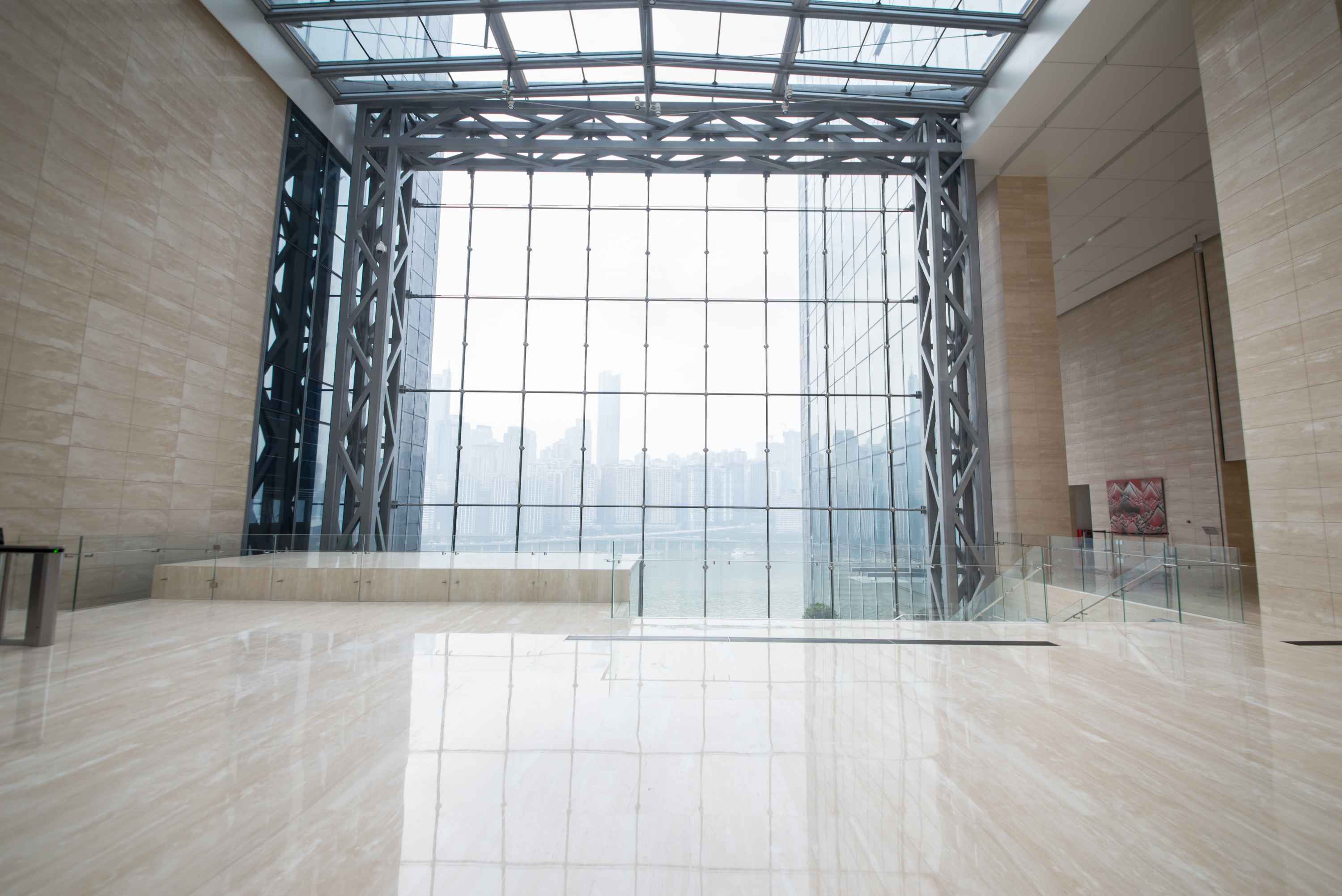
Floor Tiling
Floor tiling is a crucial aspect of interior design and construction, offering both aesthetic appeal and practical benefits in residential, commercial, and industrial settings. Choosing the right floor tiles involves considerations of durability, maintenance, safety, and design aesthetics.
In terms of material, floor tiles are commonly made from ceramic, porcelain, natural stone (such as marble or slate), or even engineered materials like vinyl or laminate. Each material offers distinct advantages: ceramic and porcelain tiles are durable, water-resistant, and come in a wide range of colors and patterns, making them suitable for high-traffic areas like kitchens and bathrooms. Natural stone tiles add a touch of luxury and uniqueness, while engineered materials provide cost-effective alternatives with excellent durability and ease of installation.
The design aspect of floor tiling is versatile and can significantly impact the ambiance of a space. Large format tiles can create a sense of spaciousness in small rooms, while smaller tiles or mosaic patterns can add intricate detail and visual interest. The choice of tile color, texture, and finish can complement the overall interior design theme, from sleek and modern to rustic or traditional.
Safety considerations are also critical in floor tiling, especially in areas prone to moisture such as bathrooms or outdoor spaces. Tiles with textured surfaces or slip-resistant coatings can enhance traction and reduce the risk of slips and falls, making them ideal for environments where safety is a concern.

Waterproofing
Waterproofing is a critical process in construction and renovation projects, especially in areas prone to moisture such as bathrooms, kitchens, balconies, and basements. It involves applying materials or coatings to surfaces to prevent water penetration and protect underlying structures from water damage, mold growth, and structural deterioration.
In building and renovation projects, waterproofing is typically applied to various surfaces such as floors, walls, roofs, and foundations. The choice of waterproofing method depends on factors like the type of substrate, the intended use of the area, environmental conditions, and building codes. Common waterproofing materials include liquid membranes, sheet membranes, cementitious coatings, and polyurethane sealants, each offering specific benefits in terms of application ease, durability, flexibility, and resistance to water ingress.
Effective waterproofing not only extends the lifespan of buildings and structures but also enhances the comfort and safety of occupants by preventing issues like leaks and dampness. In areas like bathrooms and showers, waterproofing is crucial to protect adjacent rooms or floors from water seepage, ensuring a dry and hygienic environment. Similarly, waterproofing balconies and terraces helps prevent water damage to underlying structures and maintains their aesthetic appeal over time.
Commercial Tiling
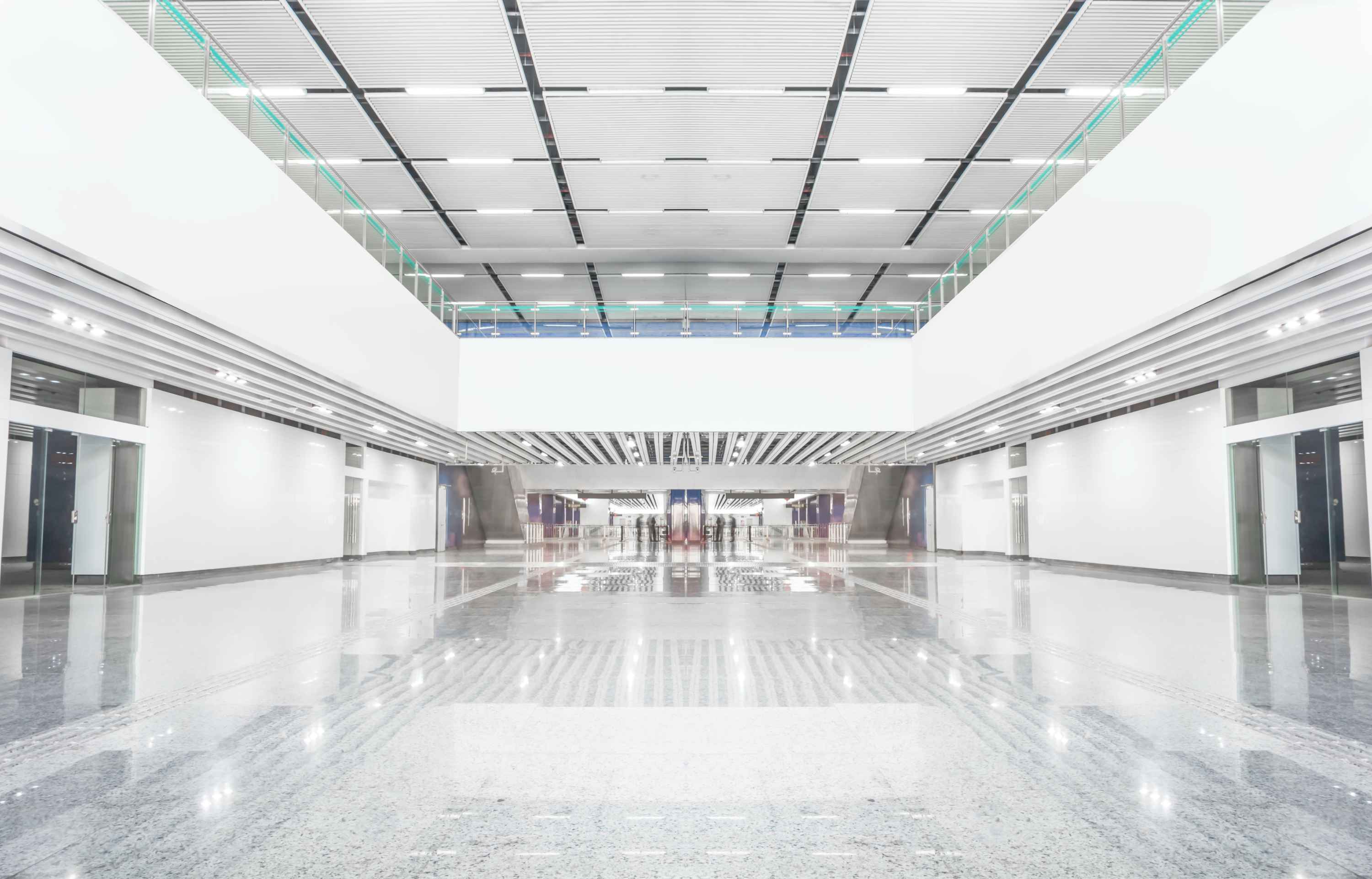
Commercial tiling involves the installation of tiles in non-residential settings such as office buildings, retail stores, restaurants, hotels, hospitals, and educational institutions. It serves both functional and aesthetic purposes, providing durable and visually appealing surfaces that can withstand high levels of foot traffic and meet specific operational requirements.
In commercial settings, the choice of tiles is guided by considerations such as durability, maintenance ease, aesthetic appeal, and compliance with safety standards. Materials commonly used for commercial tiling include ceramic, porcelain, natural stone, and vinyl tiles, each offering distinct advantages in terms of durability, design flexibility, and resistance to wear and tear.
The design aspect of commercial tiling is diverse and can vary based on the nature of the business and the desired ambiance. For example, sleek and modern tiles may be preferred in corporate offices to convey professionalism and cleanliness, while textured or patterned tiles can add visual interest in retail spaces or hospitality venues. Large format tiles are often chosen to create seamless, expansive surfaces that enhance the perceived spaciousness of commercial interiors.
Installation of commercial tiles requires specialized knowledge and expertise to ensure compliance with industry standards and achieve a high-quality finish. Professional tilers are skilled in techniques such as precise layout planning, accurate cutting, and effective grouting to optimize durability and aesthetic appeal. They also consider factors like subfloor preparation, waterproofing requirements, and adherence to safety regulations to deliver robust and long-lasting tiling solutions.
New Build Tiling
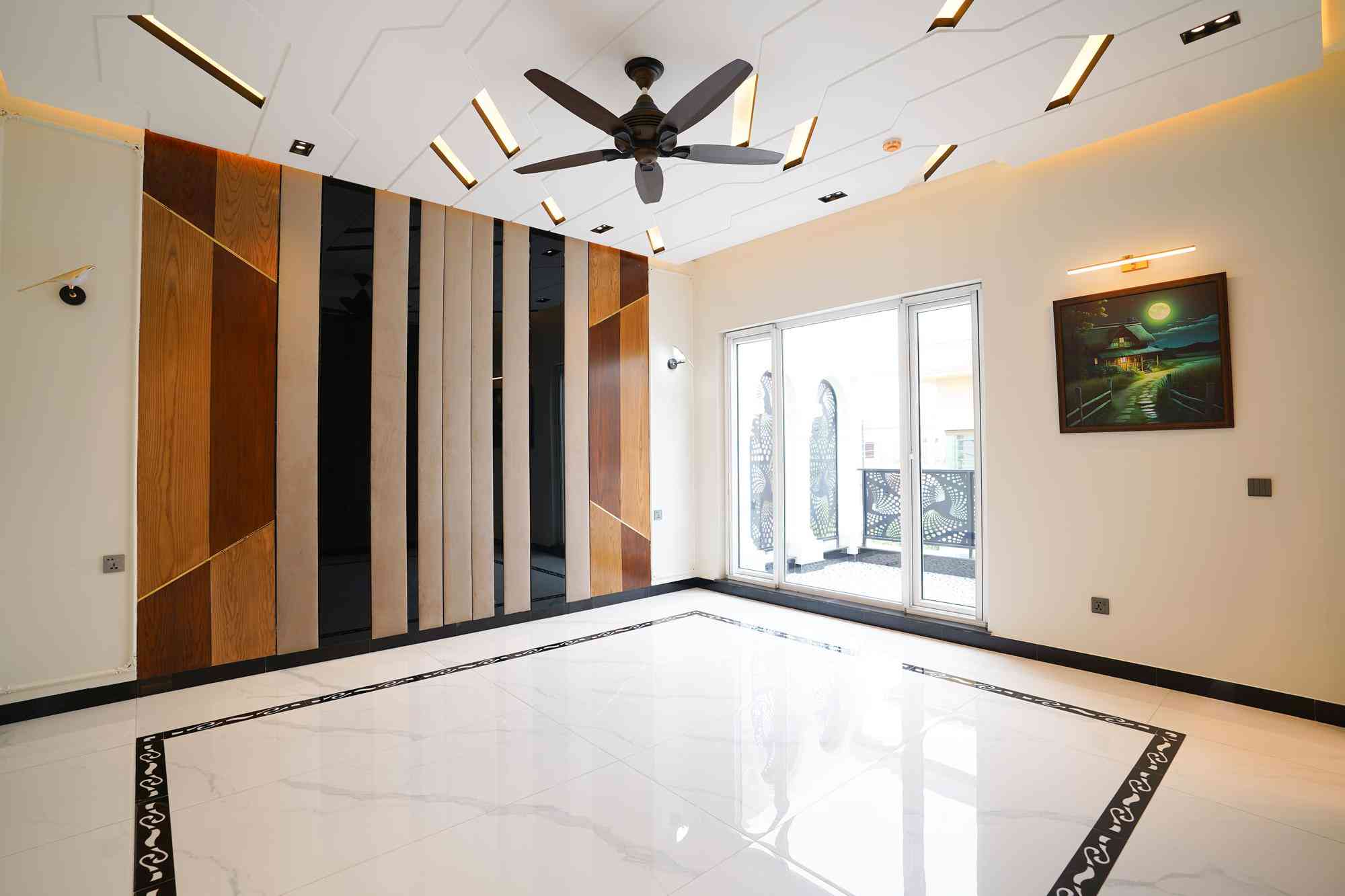
New build tiling refers to the installation of tiles in newly constructed residential, commercial, or industrial buildings. This process involves planning, selection of materials, and professional installation to ensure durable and aesthetically pleasing results from the outset.
During the new build phase, tiling typically begins after the completion of structural work and before interior finishing. This timing allows for seamless integration of tiles into the overall building design, ensuring they complement other elements such as cabinetry, fixtures, and flooring materials.
The choice of tiles for new build projects depends on factors like the intended use of the space, design preferences, and budget considerations. Common tile materials include ceramic, porcelain, natural stone (like marble or slate), and engineered tiles (such as vinyl or laminate), each offering unique characteristics in terms of durability, maintenance requirements, and aesthetic appeal.
Design considerations in new build tiling encompass both functionality and style. Large format tiles can create a sense of openness in expansive areas like living rooms or lobbies, while smaller tiles or mosaic patterns can add intricate detail to bathrooms or kitchen backsplashes. Grout color and type also play a role in the overall design, influencing the visual impact and maintenance ease of tiled surfaces.
Residential Tiling
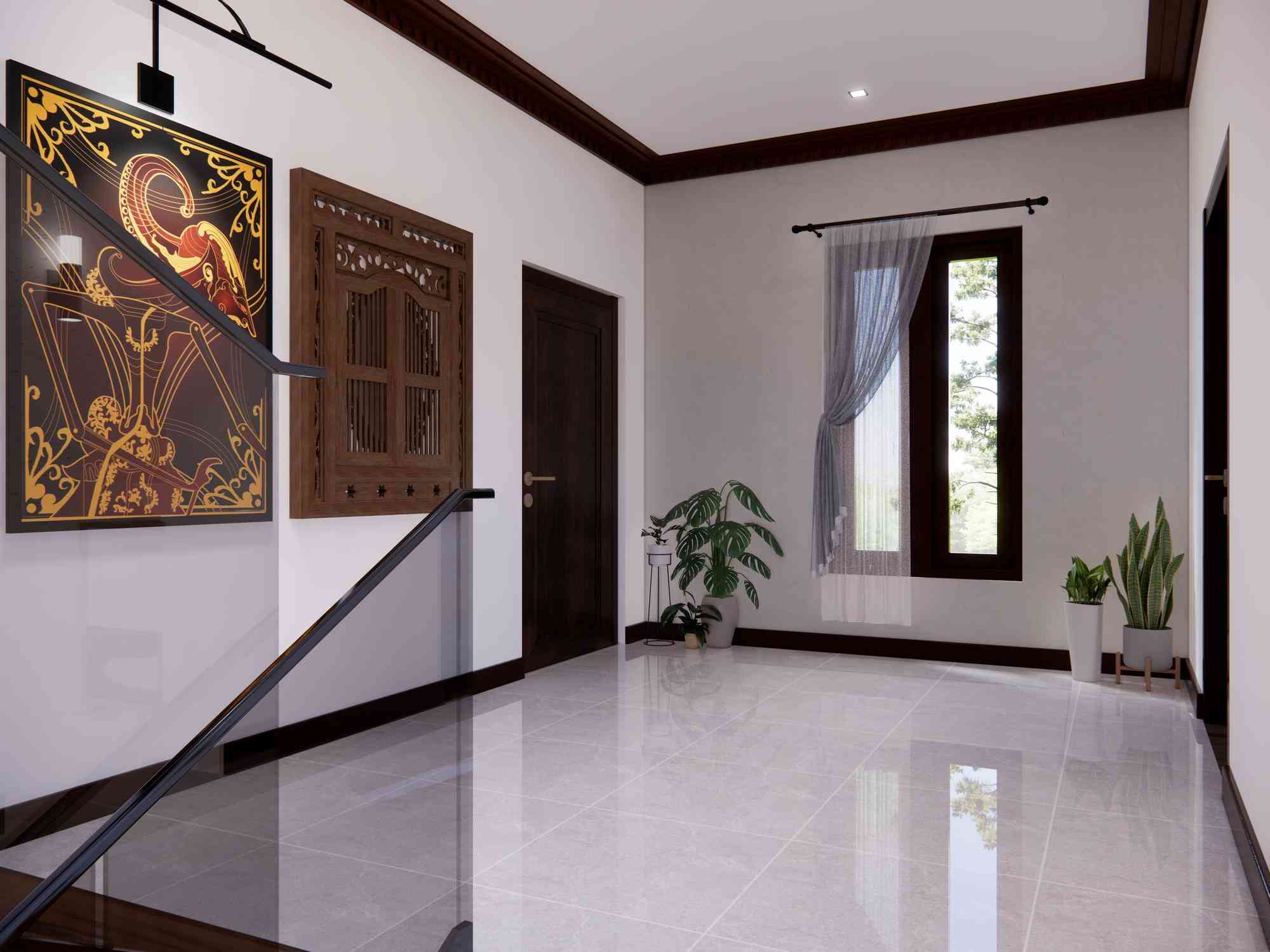
Residential tiling involves the installation of tiles in homes, apartments, and other residential properties. It serves both functional and aesthetic purposes, enhancing the beauty and durability of interior and exterior surfaces such as floors, walls, kitchens, bathrooms, patios, and pools.
In residential settings, the choice of tiles is influenced by factors such as design preferences, budget, durability, and maintenance requirements. Common tile materials include ceramic, porcelain, natural stone (like marble, granite, or travertine), glass, and various types of engineered tiles. Each material offers unique benefits in terms of appearance, durability, water resistance, and ease of maintenance, catering to different areas of the home based on their specific needs.
The design aspect of residential tiling is diverse and can range from classic and timeless styles to contemporary and innovative trends. Homeowners often personalize their living spaces by selecting tiles that complement their interior décor, whether opting for sleek and modern tiles in high-traffic areas or creating cozy, inviting atmospheres with textured or patterned tiles in living rooms or bedrooms.
Professional installation is essential in residential tiling to ensure proper preparation of surfaces, precise layout planning, accurate cutting, and effective sealing or grouting. Experienced tilers understand the importance of structural integrity and aesthetics, adhering to industry standards to deliver quality craftsmanship that enhances the overall value and appeal of residential properties.